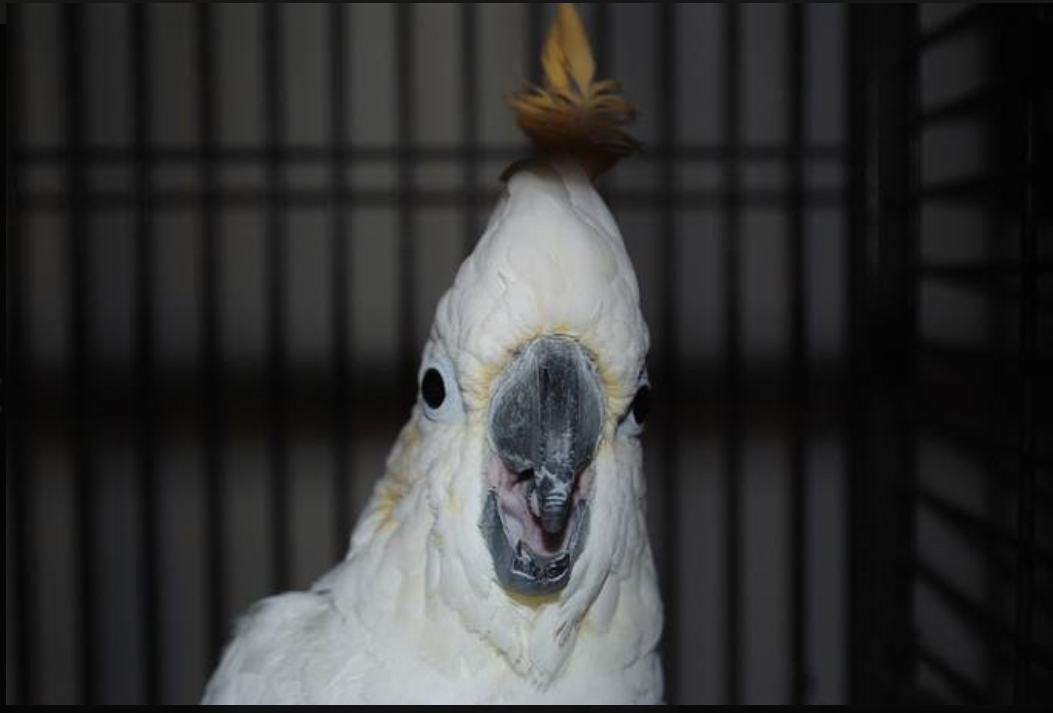
Throughout this course I have performed to the best of my abilities at these given times. I have not excelled by any means, but I feel that in the past month I have worked hard to accomplish my goal of achieving a C. I’m proud of what I was able to accomplish after receiving an incomplete and feel that these works are the truest reflection on me as a student. Comparing how my work looked at the beginning of the semester (with only three blog posts, a show and tell, and a reflection) to how it is now (five more blog post, two more show and tells, and another reflection) I feel that my growth as a student, but also a historian is very evident. Throughout the semester my favorite experiences were the ones where I could connect content that we would learn to content I had previously learned. From reflecting back on my 9th grade history class when we began discussing Buddhism to referring to my 12th grade European history class when Europe started to get involved with China. It’s always entertaining to learn about different events that happened around the world around the same time. For example, the first holy crusades started in Europe during the Song Dynasty. Having these connections with different places and histories shows a more complete image of who people were during these times.
I think that one of the most important lessons from this course would be that the people who were forced to be introduced to European beliefs and ideologies weren’t always eager to learn. There’s an ignorant viewpoint that is upheld in many American schools that if some countries didn’t want to be conquered or controlled in any way then they wouldn’t have been. This is not entirely the fault of educators, but it can be highly attributed to what sources are available. Many European sources are well translated and easy to find, so defaulting to their portrayal of history has become the norm, but when one reads non European sources, it opens up a new world. Suddenly the world stops seeming so Eurocentric and becomes more than that. That’s why I think people need to learn more about the Emperor and the Chinese people’s reactions to new European missionaries. These types of accounts show an uncommon shift in perspective that is really needed.
If I were asked in five years what I learned in this course, then I probably wouldn’t be able to say any concrete facts, but instead skills that I’ve learned through being here. While I did obviously learn about Chinese History, I also learned about how to do quick and effective research and how to voice my opinions on paper. Writing out my thoughts about anything has always been difficult for me since I always have found it easier to verbally explain things, but I feel that throughout the last month of work I’ve completed, I definitely feel more confident in writing out my opinions on different topics. I would also mention that this class has helped me be able to expand my horizons in terms of historical knowledge since most of my previous courses have revolved around Europe or the US. Even though this would be my answer, I would also probably throw in some small fun facts that I remember. For example, after Yuan Zai died and his possessions were confiscated, the authorities found no less than eight hundred large sacks of pepper in his house. Even if this isn’t the most useful piece of information, it’s still an odd story.
Despite me not being the best student throughout the whole course, I’m happy with where I ended things, since I can confidently say that I know more about Chinese history now than when I started. And since I feel this final post needs a good send off I’ll end this with a Growth Mindset Cat.